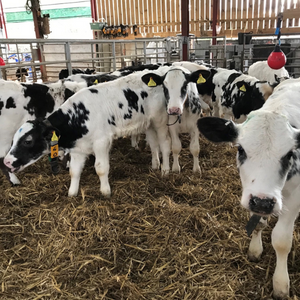
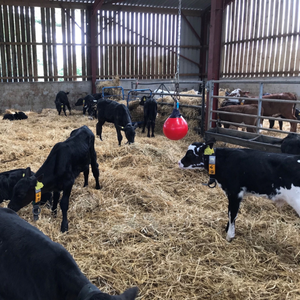
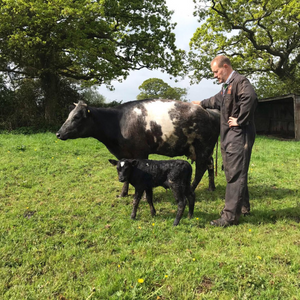
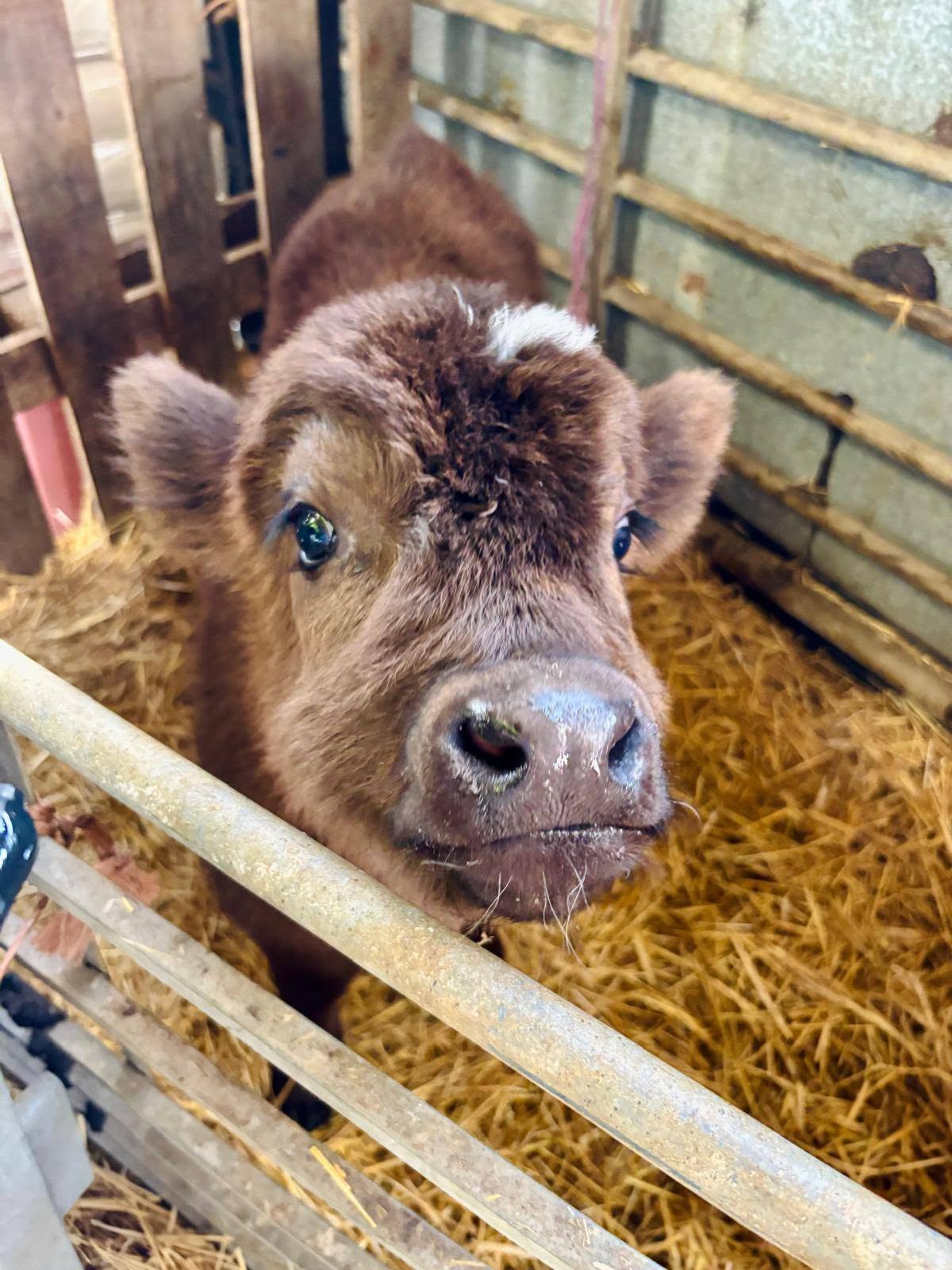
We work alongside local dairy farmers, which supports both the dairy industry and the beef sector. We take calves that are cross bred with a beef sire (father) and dairy dam (mother) at 3 weeks of age. These are reared on our automated milk feeding machine for 6 weeks. The automated feeding system not only benefits the calf as it allows the calf to feed as naturally as possible but also indicates to us early signs of illness in the calf, keeping our welfare to the highest standards.
Growing Cattle
Our beef growing cattle remain in our calf rearing system until they are four to six months of age, depending on the breed and sex they will either move to another beef finishing farm or stay on our rotational grazing system. The cattle that are grown here at our farm have a diet that uses bioproducts (brewer’s grain) from the drinks industry to help reduce our carbon footprint and help reduce waste their waste.
We sell our own beef boxes (subject to availability) and also supply a local butcher in Farndon called Astley & Stratton.
The brewer’s grain from Polly’s Brewery form a substantial part of the beef finishing process. We are proud to supply Polly’s Social(tap room and restaurant) with our Polly’s grain-fed beef, creating a circular economy.
Pets Corner
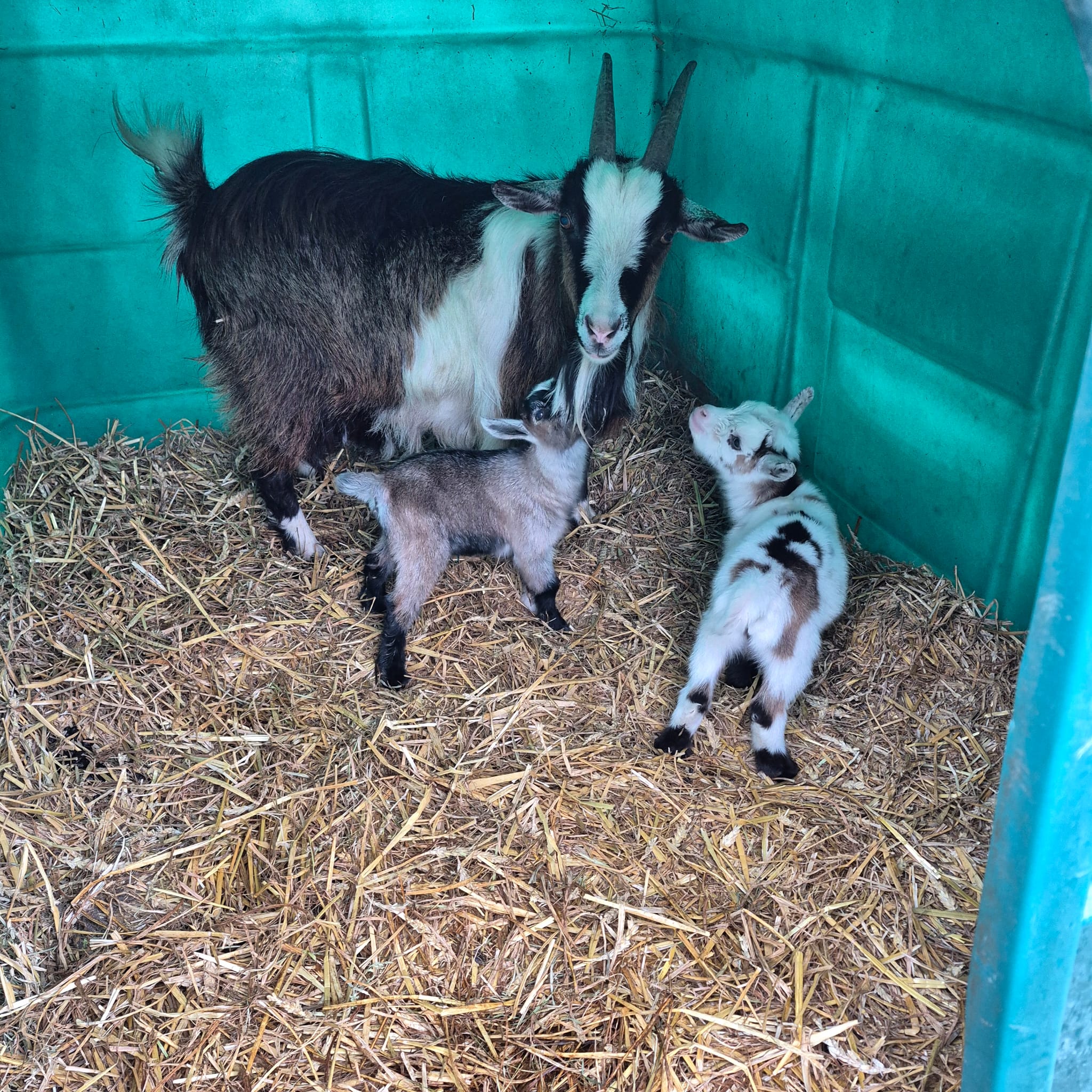
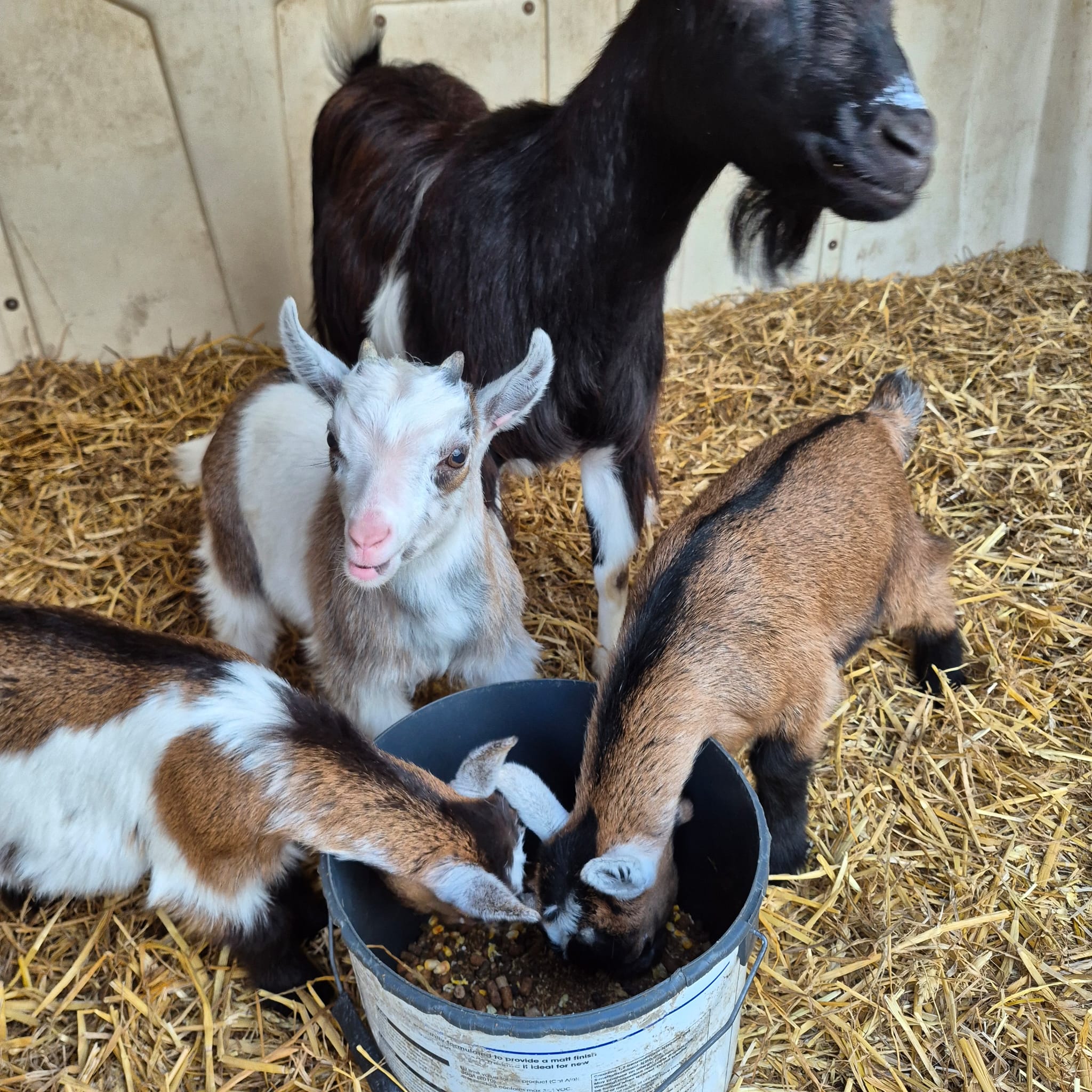
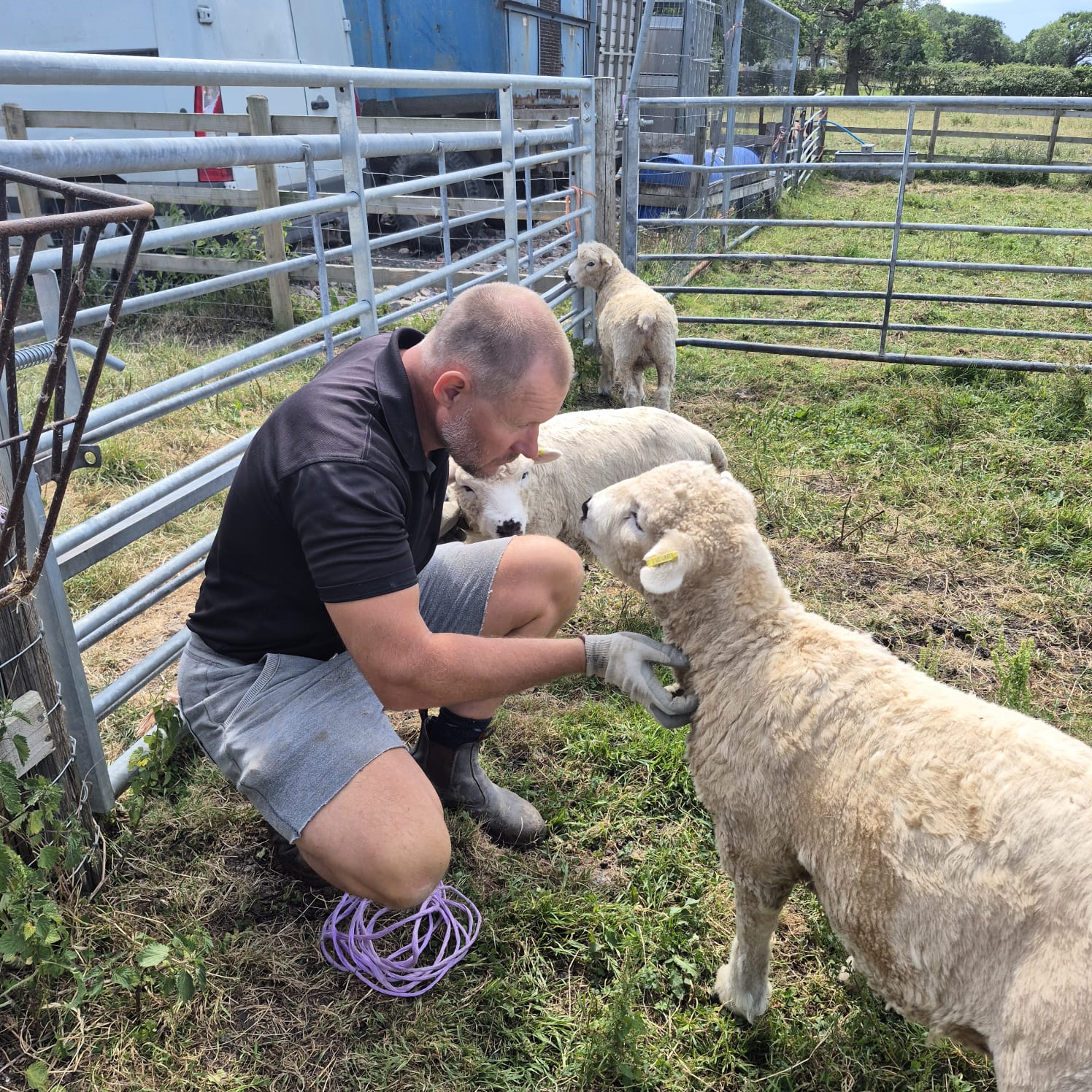
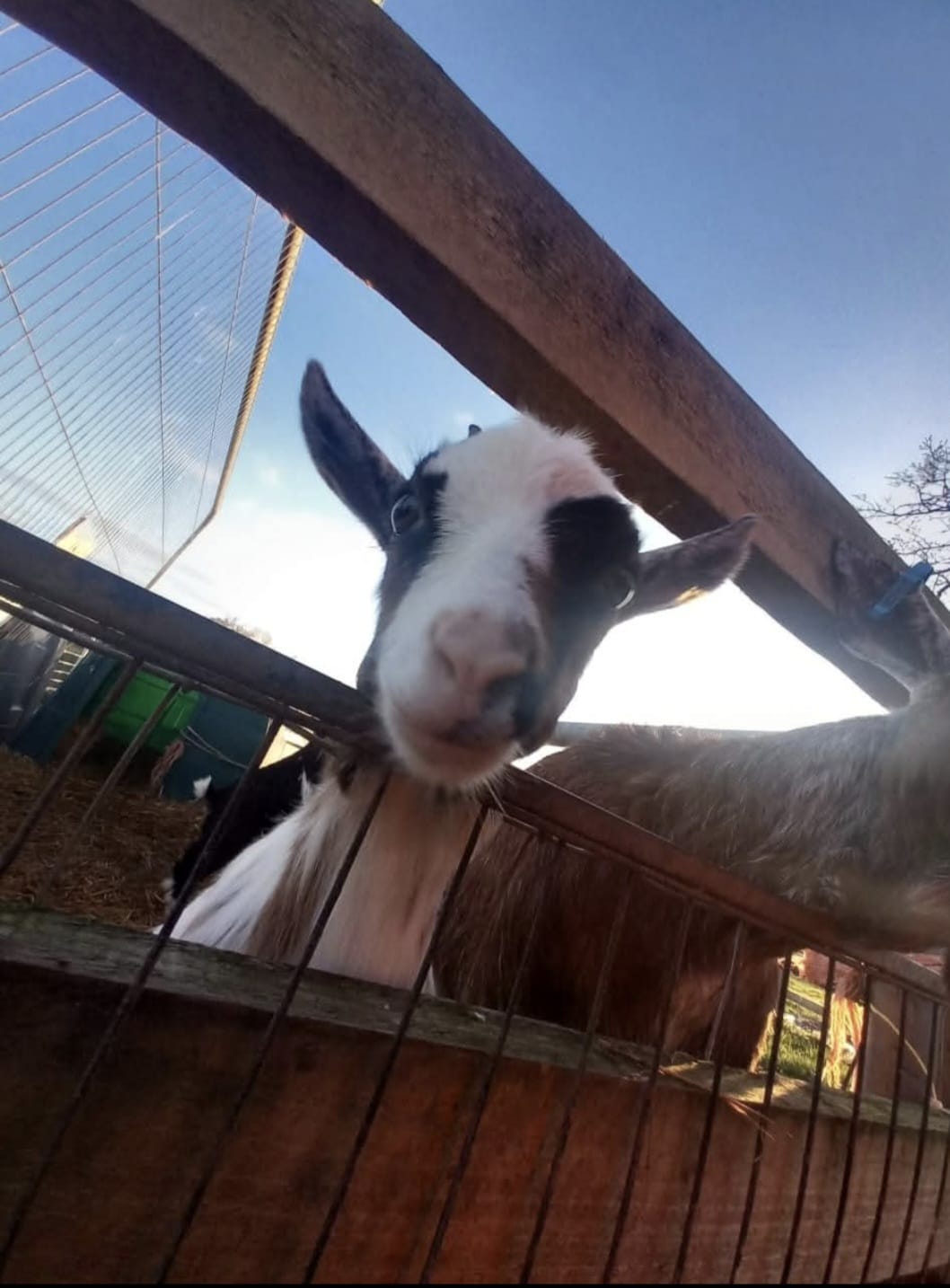
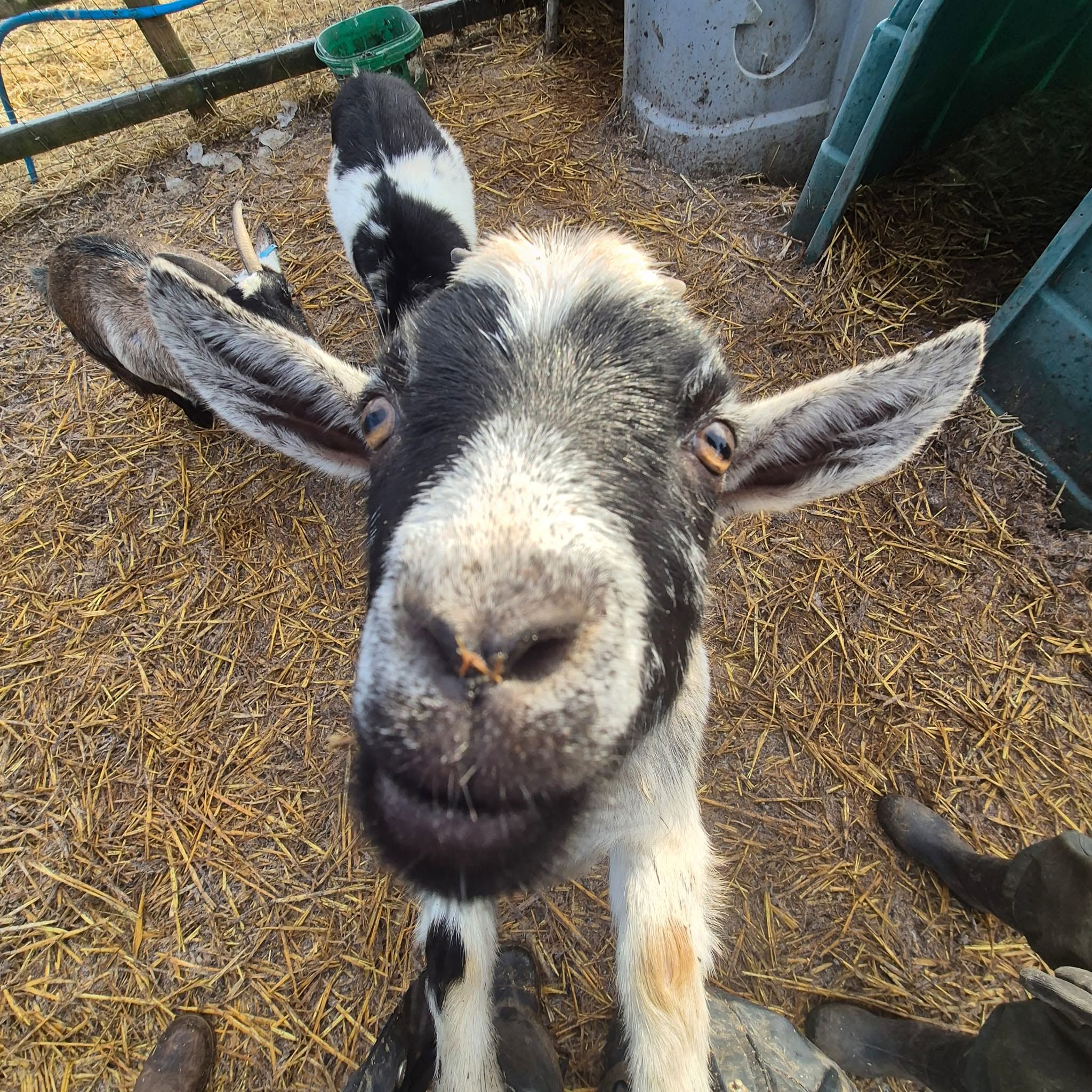
Yes, we have pets on our family farm! We have Daisy and Fergus, the Highland Cow/Steer, a number of goats, 3 lovely sheep, Shaun, Larry and Tank and our array of chickens with different colours and temperaments. This area is a great area for animal interaction but also to aid peoples knowledge in anatomy of the animals, behaviour, food chain, food production.
Planting Veg
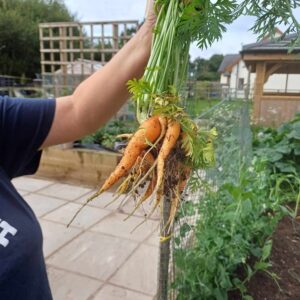
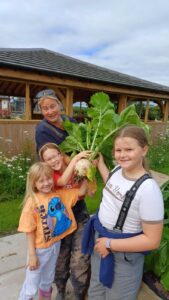
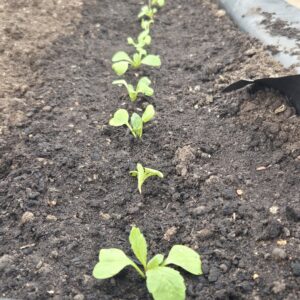
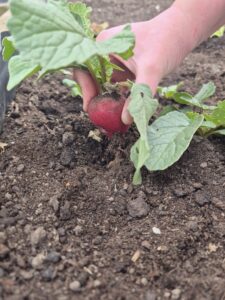
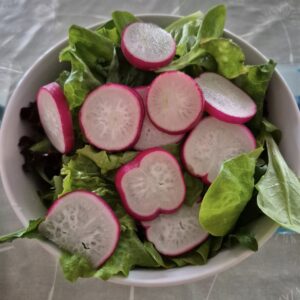
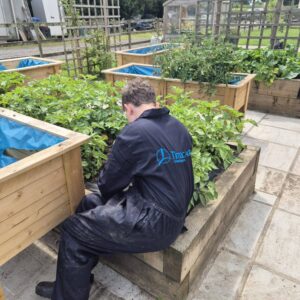
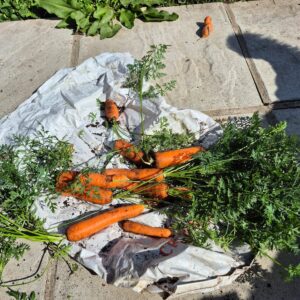
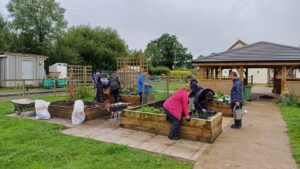
The allotment within the sensory garden is a great place to learn new skills, with raised beds a potting shed and a polytunnel the area open to volunteers and the community to grow their own food, it’s a great place for people to socialise and enjoy the great outdoors.
Conservation
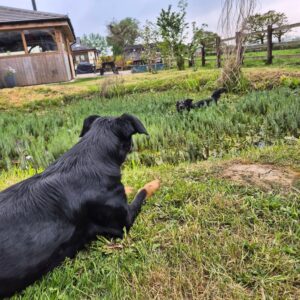
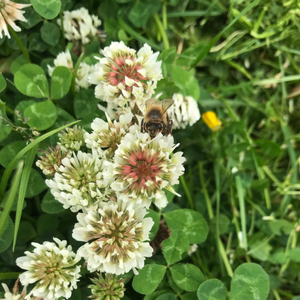
We are keen to help the environment and, on the farm, we are aiding this by creating a meadow that will attract pollinators back to the area. We are introducing a rain water harvesting system to use rainwater to rehydrate our animals in the fields. We will be explaining the importance of using our farm yard manure instead of fertilisers on the farm and we are currently looking into solar energy to help support our carbon foot print reduction. Our projects have global warming in mind and we are trying our very best to rewild the area to create a great habitat of our wildlife.
Orchard
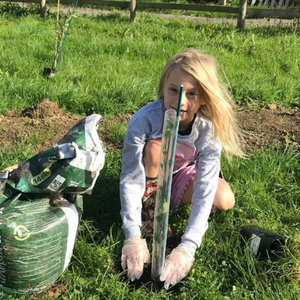
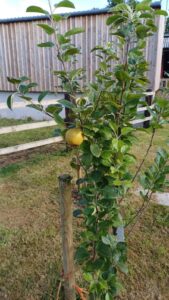
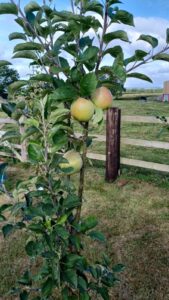
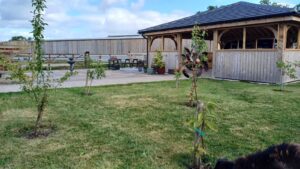
We have 10 sapling trees within our sensory garden, these are dwarf apple, pear, cherry and plumb trees. Once established they will offer fruit that can be use to distribute to people that need it the most. Feeding our local community matters to us and we hope that the trees will provide lots of fruit in years to come.
Pondlife
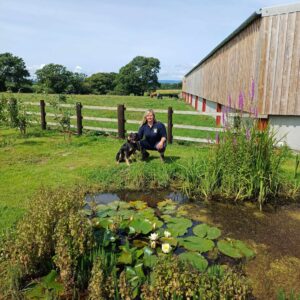
In 2021 a pond was constructed funded by the wildlife trust, this is to attract the wildlife back to the farm and also to help educate on insects, animals and plant life that uses the pond to create a habitat that will enable them to flourish and grow.
Wildlife
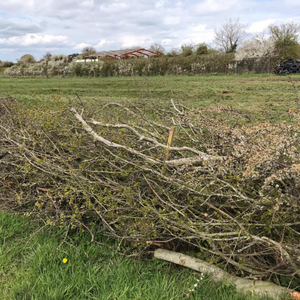
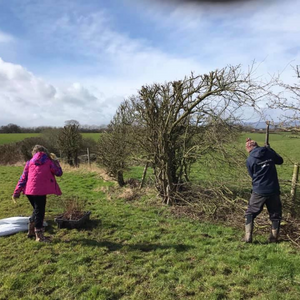
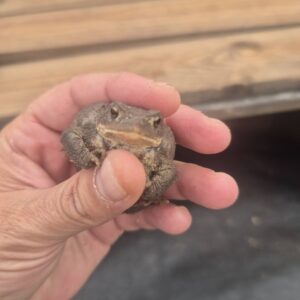
Working along side the Wildlife Trust has been such a valuable asset to the organisation, we have completed many projects such as hedge laying, putting up owl boxes, pond creation, meadow creation, log pile habitats and wetland seed planting. All these things have been great projects for volunteers to get involved in. Wildlife is important to us and we will continue to have a lasting relationship with the Wildlife Trust to aid us in our wildlife journey.