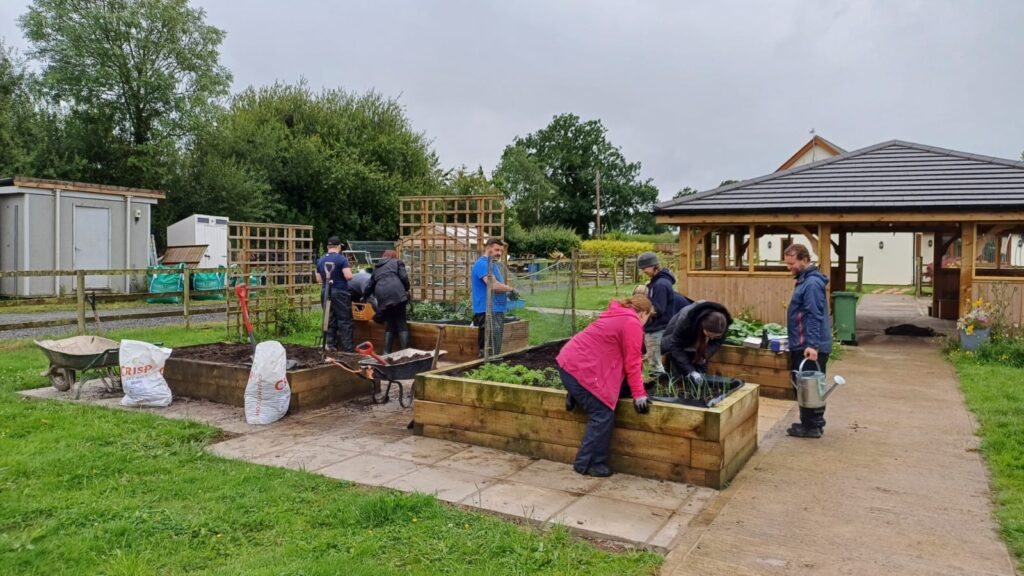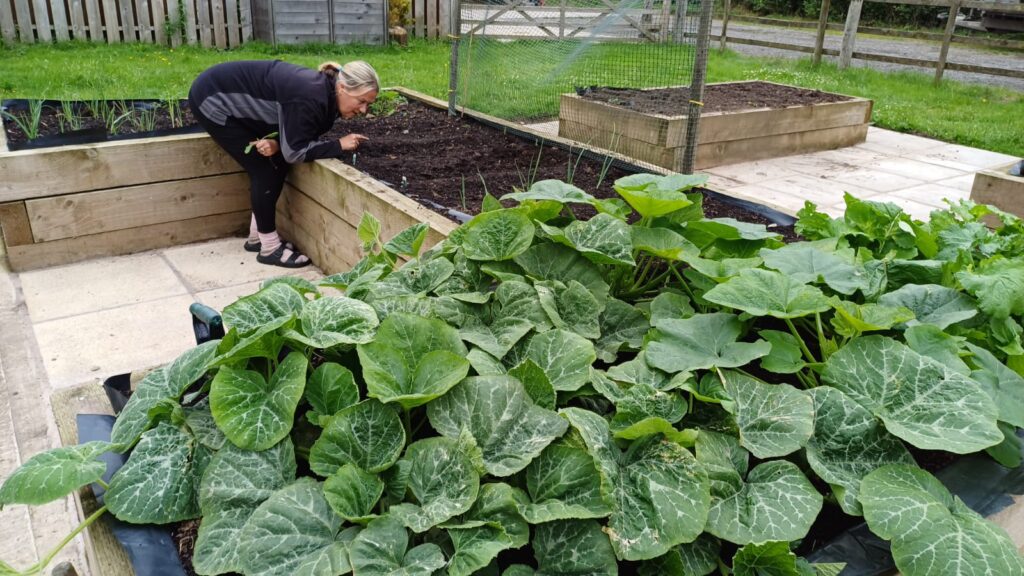

Gardening is more than just a hobby; it’s a rewarding activity that combines the pleasures of nature with the benefits of growing your own vegetables. Whether you have a sprawling backyard or a small balcony, cultivating a vegetable garden can bring numerous advantages to your life. Let’s explore the therapeutic aspects, the enjoyment it offers, its contribution to a sustainable lifestyle, healthy eating, and the basic skills involved in gardening.
The Therapeutic Benefits of Gardening
Gardening has been proven to have significant therapeutic effects. The act of planting, nurturing, and harvesting vegetables can be incredibly calming, helping to reduce stress and anxiety. The repetitive tasks of digging, planting, and watering provide a form of mindfulness that allows you to connect with nature and find a sense of peace. The physical activity involved in gardening also releases endorphins, which are natural mood lifters. For many, gardening becomes a form of meditation, where the mind can focus on the present moment and find relief from daily pressures.
The Joy of Growing Your Own Vegetables
There is a profound sense of satisfaction that comes from growing your own food. Watching a seedling grow into a full-fledged plant and then harvesting its produce is incredibly fulfilling. It’s a hands-on experience that brings joy and a sense of accomplishment. Children, too, can get involved, making gardening a fun and educational family activity. The whole process, from planting seeds to picking fresh vegetables, can create a deep connection to the food we eat and an appreciation for the effort that goes into producing it.
A Step Towards a Sustainable Lifestyle
Growing your own vegetables is a step towards a more sustainable lifestyle. By cultivating your garden, you reduce the need for supermarket-bought produce, which often travels long distances to reach your plate, contributing to carbon emissions. Gardening allows you to control what goes into your soil and plants, avoiding harmful pesticides and chemicals. Composting garden waste and kitchen scraps creates a natural, nutrient-rich fertilizer, reducing waste and enhancing soil health. This closed-loop system of growing and consuming your own vegetables supports environmental sustainability and reduces your ecological footprint.
Healthy Eating, Straight from the Garden
Home-grown vegetables are often more nutritious and taste better than supermarket-bought ones. They can be harvested at their peak ripeness, ensuring maximum flavor and nutrient content. Eating a variety of fresh, organic vegetables from your garden can improve your diet and overall health. Gardening encourages you to incorporate more vegetables into your meals, promoting a balanced and healthy diet. The effort you put into growing your food also fosters a deeper appreciation for the meals you prepare and consume.
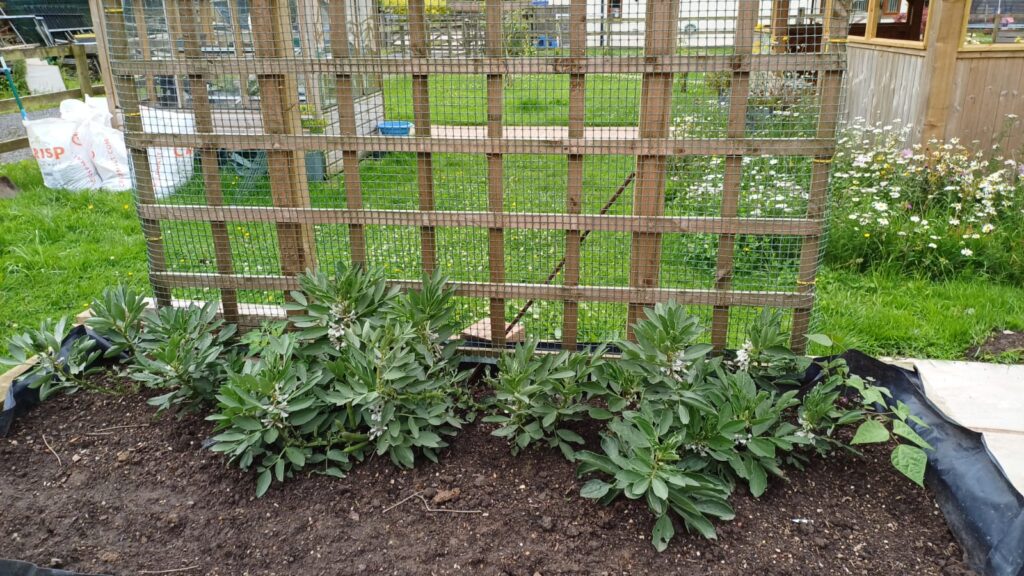
Basic Skills for Successful Gardening
Starting a vegetable garden doesn’t require expert knowledge, but a few basic skills can help you succeed:
- Planning: Decide what vegetables you want to grow based on your climate, space, and preferences. Create a planting schedule to know the best times for sowing seeds and harvesting.
- Soil Preparation: Healthy soil is the foundation of a successful garden. Enrich your soil with compost and organic matter to improve its fertility and structure.
- Planting: Follow the instructions on seed packets or plant tags regarding depth and spacing. Ensure your plants have enough room to grow and receive adequate sunlight.
- Watering: Consistent watering is crucial. Most vegetable plants prefer deep, infrequent watering rather than frequent, shallow watering. Mulching can help retain moisture and reduce weeds.
- Maintenance: Regularly check your garden for pests, diseases, and weeds. Use natural remedies and organic methods to manage these issues. Pruning and thinning plants can also promote healthier growth.
- Harvesting: Harvest your vegetables when they are ripe. This varies for each plant, so learning the signs of ripeness for your crops is essential.
Conclusion
Gardening and growing your own vegetables is a multifaceted activity that offers therapeutic benefits, enjoyment, and a pathway to a sustainable lifestyle. It promotes healthy eating and equips you with basic skills that can be expanded as you become more experienced. Whether you are an aspiring gardener or a seasoned pro, the joys of gardening are endless, providing a source of fulfillment and connection to the natural world. So grab your gloves and trowel, and start planting the seeds of a healthier, happier life.